
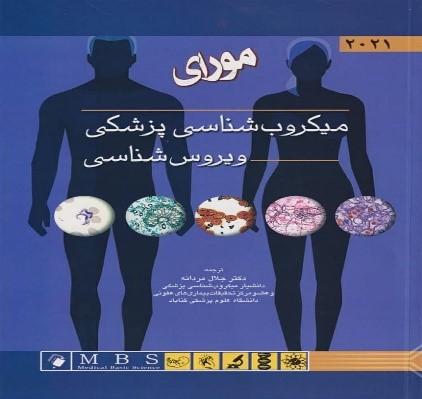
Medical Microbiology – Virology (Murray)
Medical microbiology is the study of microorganisms that cause diseases in humans, with virology constituting one of its main branches. Virology focuses on the study of viral structure, behavior, and function, including their classification, replication, interactions with host cells, and the diseases they cause. Medical microbiology also encompasses the study of bacteria, fungi, and parasites, and plays a fundamental role in the diagnosis, prevention, and treatment of infectious diseases.
Target Audience: Students, faculty members, healthcare professionals, and the general public.
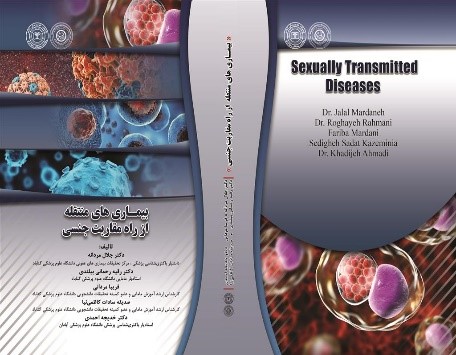
Sexually Transmitted Diseases (STDs)
Sexually transmitted diseases (STDs) are infections that are spread primarily through sexual contact, either with an infected individual or through infectious biological materials such as blood and genital secretions. These diseases may be caused by bacteria, viruses, parasites, or fungi.
Target Audience: Students, faculty members, healthcare professionals, and the general public.

Medical Microbiology – Bacteriology (Murray)
Medical Microbiology – Bacteriology
Medical microbiology (bacteriology) is a branch of microbiology that focuses on the study of bacteria and their role in human diseases. Bacteriology involves the identification, classification, and characterization of bacterial species, particularly those that are pathogenic to humans.
Target Audience: Students, faculty members, healthcare professionals, and the general public.
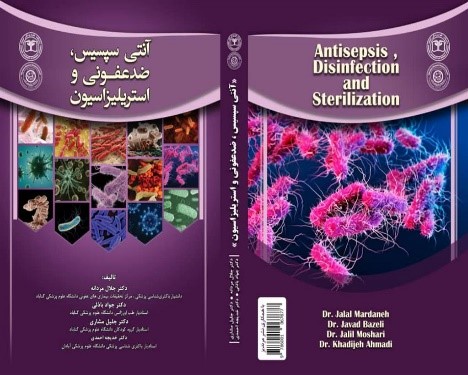
Antisepsis, Disinfection, and Sterilization
Antisepsis, Disinfection, and Sterilization
Antiseptics are antimicrobial substances designed for application on the skin and other living tissues. Disinfectants, by contrast, are used to decontaminate non-living surfaces. Sterilization is a more comprehensive process aimed at eliminating all forms of microbial life, including spores.
Target Audience: Students, faculty members, healthcare professionals, and the general public.

Medical Microbiology – Mycology and Parasitology (Murray)
Medical microbiology, which includes the study of fungi and parasites, represents a key field within the medical sciences that addresses the diagnosis, treatment, and prevention of diseases caused by these microorganisms. In this area, fundamental concepts such as classification, structure, reproduction, pathogenesis, laboratory diagnosis, and treatment of fungal and parasitic diseases play a central role.
Target Audience: Students, faculty members, healthcare professionals, and the general public.